


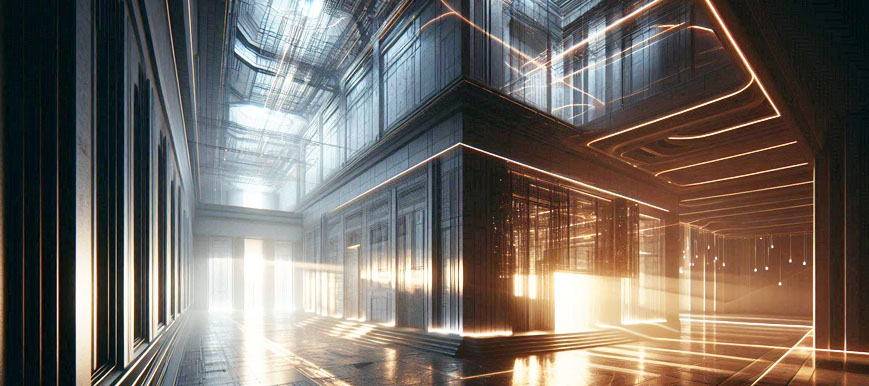
Lighting and rendering play a pivotal role in architectural visualisation, shaping perception and influencing design decisions. Effective lighting transforms spaces, highlights materials, and communicates the intended mood to clients and stakeholders.
Through careful placement of light sources, shadows, and reflections, architects and visualisers can create atmospheres that evoke emotions, accentuate design elements, and guide viewers’ focus. Realistic rendering ensures these effects are communicated clearly before construction begins.
Advanced rendering tools and software allow real-time adjustments to lighting conditions. Clients can explore day and night scenarios, material finishes, and dynamic environments interactively, resulting in a deeper understanding of spatial qualities.

“Lighting and rendering not only illustrate space—they bring emotion, depth, and atmosphere to architectural experiences.”
Integrating lighting simulations with BIM and rendering pipelines allows designers to evaluate performance, sustainability, and aesthetics simultaneously. This integration reduces revisions, improves collaboration, and enhances client presentations.
Mastering lighting and rendering techniques is essential for creating impactful visualisations. By combining technical precision with artistic intent, designers can deliver immersive experiences that guide decision-making, sell projects effectively, and elevate the perception of architectural designs.