


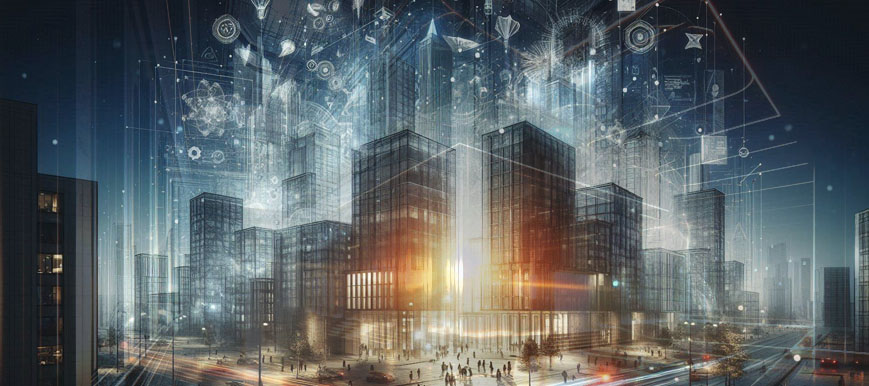
Architectural storytelling uses 3D visualisation to convey the vision and intent of a design. By combining realistic renderings, animations, and narrative techniques, architects can communicate the experience of a space to clients, stakeholders, and planning authorities before construction begins.
Through 3D visualisation, designers can create immersive experiences that showcase light, materials, spatial relationships, and movement throughout a building. This makes abstract plans and elevations tangible, helping stakeholders understand the atmosphere and functionality of a design.
Modern tools include virtual reality (VR), augmented reality (AR), and real-time engines that allow clients to explore spaces interactively. These technologies enable feedback and collaboration, turning passive presentations into engaging sessions where design decisions are tested and refined.

“Architectural storytelling bridges the gap between imagination and reality, helping clients experience a space before it exists.”
Storytelling isn’t just about visuals. By integrating material finishes, lighting, and environmental performance analysis, architects can demonstrate how a building looks and performs. Clients can see sustainable strategies, daylighting effects, and energy considerations, all within a compelling narrative.
Well-crafted visual stories are powerful marketing tools. They help attract investors, gain planning approvals, and communicate design intent to the public. Cinematic walkthroughs, narrated sequences, and phased 4D animations enhance engagement and support decision-making.
Architectural storytelling through 3D visualisation combines design, technology, and narrative to communicate a project’s vision clearly and convincingly. By integrating interactive tools, material realism, and immersive experiences, designers can align stakeholders, reduce misunderstandings, and deliver compelling presentations that bring architecture to life before the first brick is laid.